Compost, crop residue, and organic matter are used to improve soil structure before adding more inputs. Better structure helps rice roots access moisture and nutrients more consistently.
News
Heal the Soil, Feed the Future: Sustainable Rice Farming
Discover how sustainable organic rice farming restores soil health, conserves water, increases biodiversity, and reduces emissions through regenerative agriculture. Learn how composting, crop rotation, integrated pest management, and ecological farming practices create resilient farms and stronger livelihoods.
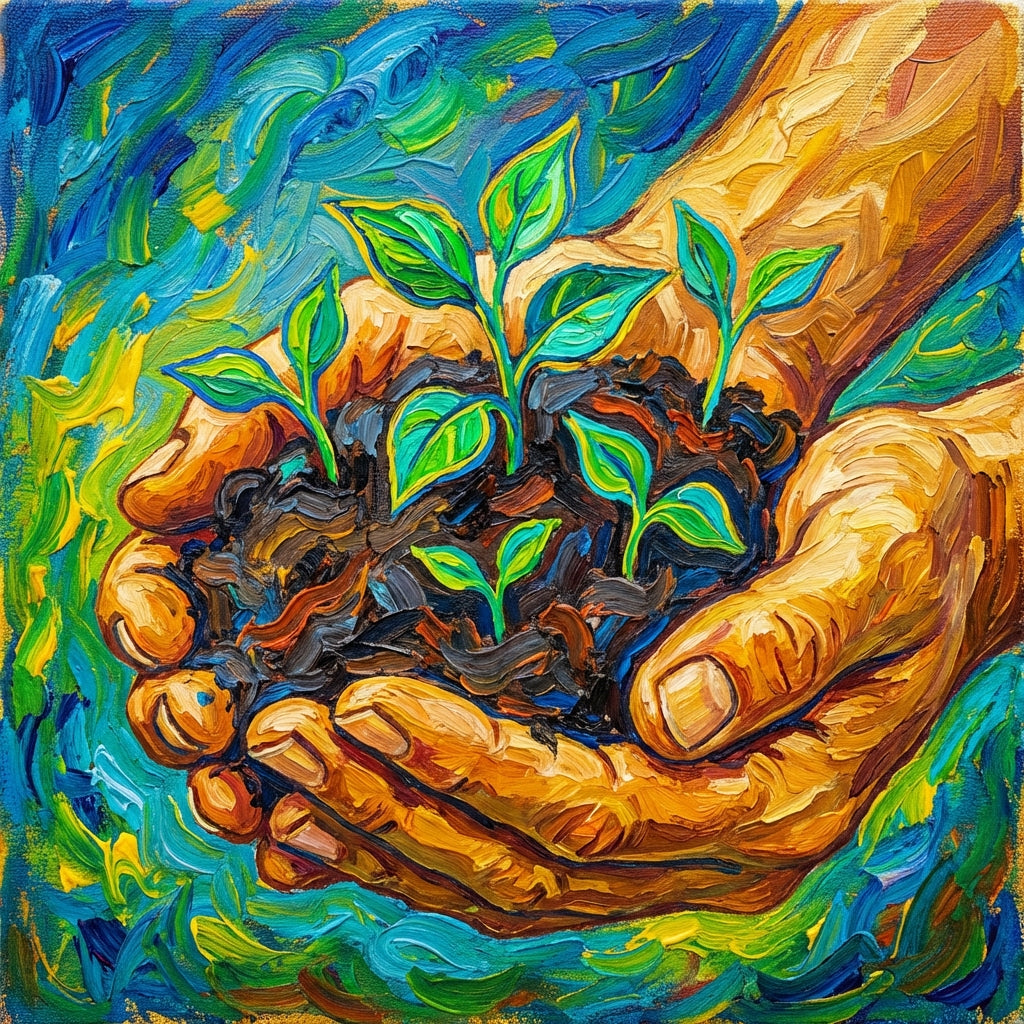
Heal the Soil, Feed the Future: Sustainable Rice Farming
Farming with Nature, Not Against It Shop our organic rice collection
Sustainable organic rice farming is more than a production method. It is a long-term commitment to protecting natural resources, strengthening rural communities, and producing nutritious food without compromising the ability of future generations to do the same.
At Agriko Organic Farm, we believe every field is a living ecosystem. Beneath the rice plants lies a complex network of soil organisms, fungi, earthworms, insects, microorganisms, and plant roots that work together to create healthy, productive land. Above the soil, birds, pollinators, beneficial insects, and surrounding vegetation contribute to a balanced agricultural environment.
Rather than attempting to dominate nature through heavy chemical inputs, sustainable farming seeks to work alongside natural processes. This philosophy combines generations of traditional agricultural knowledge with modern scientific research to create farming systems that are productive, resilient, and environmentally responsible.
Today, organizations such as the Food and Agriculture Organization (FAO), the International Rice Research Institute (IRRI), the United Nations Environment Programme (UNEP), and leading agricultural universities increasingly recognize that healthy ecosystems are essential to long-term food security. The future of agriculture depends not only on how much food we produce, but on how responsibly we produce it.
Regenerative Agriculture | Agriko Organic Farm | 12 min read
Why Sustainable Farming Matters
Agriculture shapes far more than the food on our tables. The way land is managed influences water quality, biodiversity, carbon storage, climate resilience, rural employment, and the health of entire communities. While modern agriculture has dramatically increased food production worldwide, many conventional systems have also contributed to soil degradation, water pollution, habitat loss, and declining biodiversity.
According to the Food and Agriculture Organization, sustainable agriculture must successfully balance three interconnected goals:
Environmental Stewardship
Protecting soil, water, biodiversity, and natural ecosystems while maintaining productive farmland.
Economic Viability
Ensuring farms remain profitable and capable of supporting farming families over the long term.
Social Responsibility
Supporting rural communities, preserving agricultural knowledge, and ensuring access to nutritious food.
When these goals are pursued together, farms become more resilient to droughts, floods, pests, disease pressures, and changing climatic conditions. At Agriko, sustainability means leaving the land healthier than we found it.
The Benefits of Sustainable Rice Farming
Healthier Soil
Healthy soil is the foundation of every successful harvest. A single teaspoon of fertile soil may contain billions of microorganisms working continuously to cycle nutrients, improve soil structure, and support plant growth. Sustainable farming practices focus on feeding these living systems through compost, crop residues, cover crops, and organic amendments.
Research shows that increasing soil organic matter can:
- Improve nutrient availability
- Increase water retention
- Reduce erosion
- Improve root development
- Enhance drought resistance
- Support beneficial microbial activity
Healthy soils not only produce healthier crops, they also become more resilient to environmental stress over time.
Smarter Water Use
Rice cultivation has traditionally required large amounts of water, making water management one of the most important aspects of sustainable production. One of the most important advances in modern rice farming is Alternate Wetting and Drying (AWD), a water-saving technique developed and promoted by the International Rice Research Institute. (IRRI)
Rather than keeping fields continuously flooded, AWD allows water levels to naturally decline before irrigation is reapplied. This approach more closely mimics natural cycles while conserving valuable water resources.
IRRI research has demonstrated that properly managed AWD can:
- Reduce irrigation water use by up to 30%
- Lower methane emissions from rice fields
- Reduce pumping costs
- Maintain crop yields
- Improve water-use efficiency
As freshwater resources become increasingly stressed worldwide, efficient irrigation practices will play a critical role in future food production.
Reduced Chemical Dependency
Conventional agriculture often relies heavily on synthetic fertilizers, herbicides, and pesticides. While these inputs can provide short-term productivity gains, excessive use may contribute to soil degradation, pesticide resistance, water contamination, and harm to non-target organisms.
Sustainable farming emphasizes prevention rather than intervention through practices such as:
- Healthy soil management
- Crop rotation
- Habitat conservation
- Biological pest control
- Beneficial insect populations
- Diverse cropping systems
These strategies help reduce dependence on synthetic chemicals while promoting a more balanced agricultural ecosystem.
Stronger Biodiversity
Biodiversity is one of agriculture's most valuable assets. A healthy rice ecosystem supports a remarkable variety of life, including:
- Birds
- Frogs
- Dragonflies
- Pollinators
- Spiders
- Aquatic organisms
- Beneficial insects
- Soil microorganisms
These species provide essential ecological services such as pollination, nutrient cycling, pest regulation, and habitat stability. Studies conducted by the FAO and UNEP consistently show that diversified agricultural landscapes are more productive, more resilient, and better able to withstand environmental pressures than simplified monoculture systems. (FAO)
Climate Resilience
Climate change is creating significant challenges for farmers around the world. Rice producers increasingly face:
- Stronger typhoons
- Unpredictable rainfall patterns
- Flooding events
- Extended drought periods
- Heat stress
- Emerging pest pressures
Sustainable farming practices help mitigate these risks by improving the natural resilience of agricultural systems. Soils rich in organic matter act like natural sponges, storing moisture during dry periods while reducing runoff and erosion during heavy rainfall. Healthy ecosystems are often better able to recover after environmental disturbances and extreme weather events. At the same time, sustainable practices can reduce greenhouse gas emissions and contribute to climate change mitigation through improved soil carbon storage and efficient resource management.
The Seven Pillars of Sustainable Farming
1. Soil Health First
Everything begins beneath our feet. Our approach focuses on building long-term soil fertility through compost, crop residues, green manures, organic soil amendments, and biological activity enhancement. Healthy soils support stronger root systems, improved nutrient cycling, and greater resilience against environmental stress.
2. Water Stewardship
Water is one of agriculture's most precious resources. Responsible water management protects both farm productivity and surrounding ecosystems. Practices such as Alternate Wetting and Drying help maximize efficiency while conserving freshwater resources for future generations.
3. Ecological Pest Management
Nature already provides powerful pest-control mechanisms. By encouraging beneficial insects, birds, amphibians, and natural predators, farms can maintain ecological balance while reducing dependence on synthetic pesticides.
4. Crop Rotation
Growing the same crop continuously can weaken soil health and increase pest pressure. Rotating rice with legumes and other complementary crops can improve soil fertility, increase nitrogen availability, interrupt pest cycles, reduce disease pressure, and improve long-term productivity.
5. Biodiversity Enhancement
Diverse ecosystems are naturally more stable and resilient. Maintaining vegetation corridors, field margins, and habitat areas helps support beneficial wildlife and strengthens ecological interactions throughout the farm.
6. Climate-Smart Practices
Sustainable rice farming adapts to changing climate conditions. Practices like Alternate Wetting and Drying, drought-tolerant varieties, and diversified cropping reduce vulnerability to extreme weather. Farms rich in soil organic matter capture carbon and store water, helping mitigate climate impacts. Integrating climate awareness into daily decisions protects farmers' livelihoods and food production for the long term.
7. Community and Knowledge Sharing
Farming knowledge grows through generations and across communities. Sustainable rice farming depends on farmers sharing techniques, seed varieties, and pest management insights. Agriko collaborates with local farming networks to promote training, exchange, and access to organic inputs. Strong communities produce better food systems and more resilient rural economies.
These seven principles form the foundation of a regenerative system producing abundant, healthy food while nurturing the land.
How Everyday Choices Shape Rice Farming
Every purchase of rice supports a specific farming system. When you choose organic rice from farms like Agriko, you help fund practices protecting soil, water, and biodiversity. Consumer demand signals the need for responsible production.
Simple actions make a difference:
- Buy certified organic rice to encourage chemical-free farming.
- Ask local stores about sourcing and farm practices.
- Reduce food waste by storing rice properly and using leftovers creatively.
- Learn about the farms behind your food. Visit farm pages or read grower stories.
- Share information about sustainable rice with friends and family.
These choices support the livelihoods of Philippine farmers who prioritize long-term land stewardship over short-term yields.
Organic Certification: What It Means for You and the Land
Organic certification provides assurance rice has been grown without synthetic pesticides, herbicides, or fertilizers. In the Philippines, organic certification bodies inspect farms annually to verify compliance with national organic standards. This process helps protect consumers from misleading claims and rewards farmers who meet stringent environmental and social criteria.
Beyond the absence of synthetic chemicals, organic standards promote:
- Soil building through compost and cover crops
- Water conservation practices
- Protection of natural habitats on and around farms
- Worker welfare and fair labor conditions
When you see the organic seal on Agriko products, it means independent verification of these practices. Your purchase contributes to a food system nourishing people and the planet.
Together, these efforts heal the soil and feed the future, one grain of rice at a time.
Related reading: water conservation in sustainable farming.
Related Agriko guide: Continue with organic farming in the Philippines.
Sources
- Alternate Wetting and Drying (AWD): water-saving rice technology. International Rice Research Institute (IRRI).
- FAO-led projects to make agriculture resilient and sustainable. Food and Agriculture Organization of the United Nations (FAO).
Sustainable rice farming starts with the soil. Farmers in the Philippines use organic practices to grow rice that is better for you and the land. Learn more in our organic farming in the Philippines.
Agriko Field Notes
How Agriko applies sustainable rice farming in Dumingag
Agriko grows organic black rice and red rice in Dumingag, Zamboanga del Sur, where rice farming depends on practical soil care, water discipline, and farm biodiversity. Our sustainable rice farming approach starts with living soil: composted plant material, rice hull mulch, reduced chemical dependency, and field observation before intervention. The goal is not only a cleaner harvest, but a rice system that supports local farmers, keeps grain quality consistent, and protects the land that produces every bag.
Fields are managed to reduce runoff and avoid unnecessary water loss. This matters in Mindanao rice systems where rainfall, irrigation timing, and soil condition change across the season.
The farming practice connects directly to the kitchen: black rice for champorado and sinangag, red rice for arroz caldo and everyday meals, and whole grain rice with more natural bran intact.
Shop organic black rice
Shop organic red rice
Black rice recipes
Red rice recipes
Red Rice Arroz Caldo
Black Rice Sinangag
What makes rice farming sustainable?
Sustainable rice farming protects soil, manages water carefully, limits unnecessary synthetic inputs, and keeps farm productivity viable for future seasons.
Why does soil health matter for rice?
Healthy soil improves root development, water retention, nutrient cycling, and field resilience. For whole grain rice, that field quality supports better texture and grain consistency.
How does Agriko connect farming and food?
Agriko links field practice to practical cooking: organic black rice and red rice are grown as pantry staples for Filipino recipes, not as isolated commodity grains.
Where is Agriko rice grown?
Agriko rice is grown in Dumingag, Zamboanga del Sur, Philippines, with a focus on organic production and direct farm-to-table traceability.
Cook with Agriko
Try these recipes
-

Red Rice Sinangag
Red rice brings natural colour, nutty flavour, and a chewy texture to this dish. Keep the focus on the recipe: good ...
-

Black Rice Horchata
Agriko black rice transforms this classic Mexican comfort drink into a nutritional powerhouse, delivering deep umami...
-

Black Rice Pudding with Vanilla Bean
Black rice brings natural colour, nutty flavour, and a chewy texture to this dish. Keep the focus on the recipe: goo...


Taste the difference yourself.
Grown without synthetic chemicals in Dumingag, Zamboanga del Sur.
 500g
500g
Wellness Blend
Organic 5-in-1 Turmeric Tea Blend
A 5-in-1 organic turmeric tea blend for warm herbal drinks and daily wellness routines. Convenient, comforting, and easy to prepare.

Rice
Philippine Organic Black Rice | 3 kg
Premium Philippine organic black rice with a deep color, nutty flavor, and satisfying whole-grain texture. Ideal for healthy meals and rice bowls.

Wellness Blend
Organic Herbal Power Shot (5-in-1)
A convenient 5-in-1 organic herbal blend for daily wellness drinks. Made for simple routines, warm beverages, and active lifestyles.