Guyabano Health Benefits: What the Research Shows (2024 Update)
People across the Philippines enjoy guyabano for its refreshing taste and its long history as a natural remedy. Today...

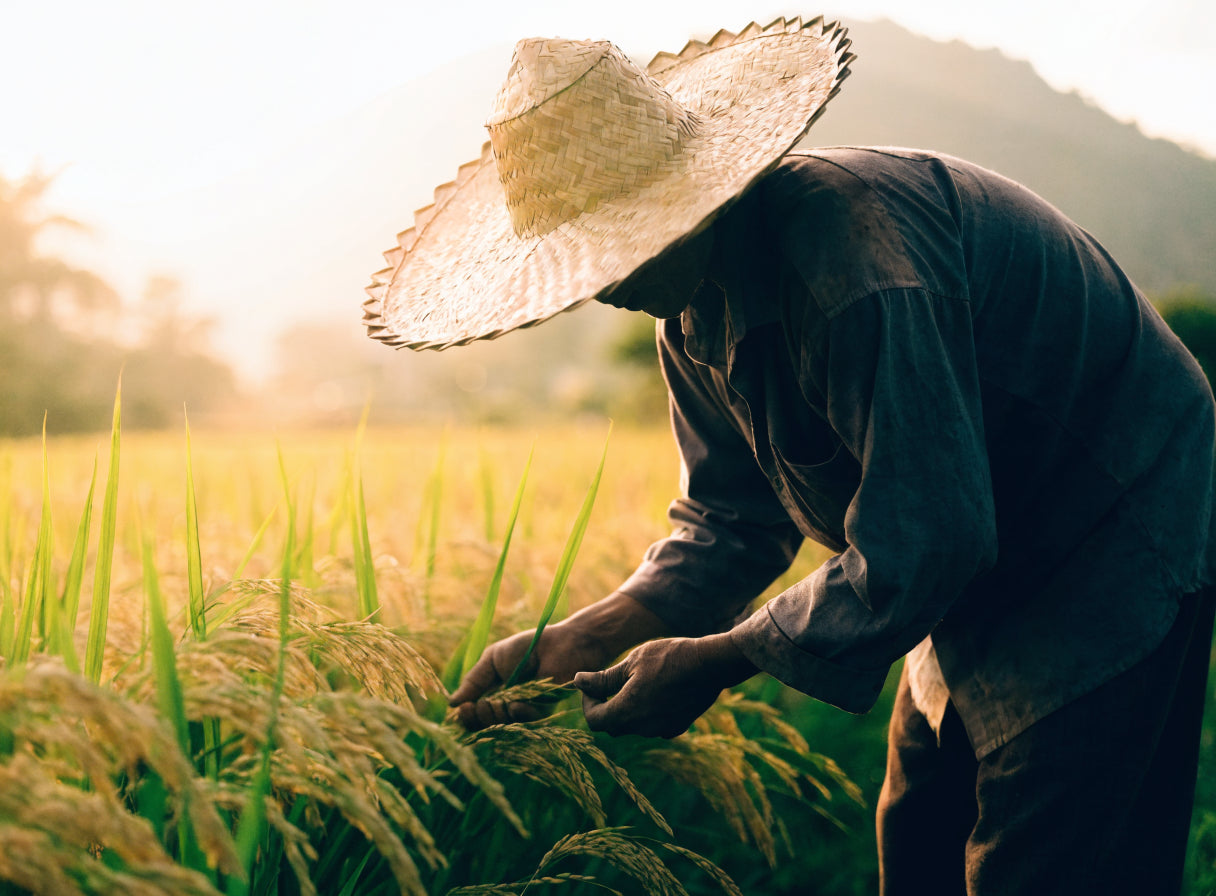
Organic rice from the Philippines gives you a clean, whole grain choice. Agriko sources this rice from small farms where growers use no synthetic pesticides or fertilizers. You support your health and local farmers when you choose this organic rice Philippines product. The rich soil and traditional practices produce grains with real flavor and texture.
Organic rice philippines farming follows strict standards. No synthetic chemicals touch the crop. Farmers use natural compost and traditional pest control. This approach protects the soil and water. You avoid pesticide residues common in conventional rice. The result is a cleaner grain with a full, earthy taste.
Agriko partners with growers across the Philippines. Manila, Laguna, and the Cordillera highlands all contribute. Each region brings its own heirloom varieties. The rice you buy from Agriko reflects the diversity of Philippine agriculture.
If you enjoy black rice, you choose a grain with unique nutritional qualities. According to the USDA, 100 g of cooked black rice contains about 23.5 grams of carbohydrates, 2.6 grams of protein, and 1.7 grams of dietary fiber. This same serving provides roughly 112 calories and less than 1 gram of fat.
Black rice also delivers anthocyanins, the same pigments found in blueberries and purple grapes. These compounds give the grain its dark color and support your body's natural defenses. The carbohydrate content, around 23 grams per 100 g cooked black rice carbohydrates usda, makes it a moderate-energy food suitable for daily meals.
White organic rice from the Philippines also provides energy, with a slightly higher carbohydrate count. Both types fit a balanced diet when you control portions.
In the province of Ifugao, the Bureau of Agricultural Services (BAS) works directly with rice farmers. The bureau of agricultural services ifugao province organic rice program supports the transition to chemical-free methods. This government agency provides training, quality seeds, and marketing assistance. The bureau of agricultural services ifugao organic rice initiative helps preserve the famous Banaue Rice Terraces.
Farmers grow traditional Ifugao varieties like tinawon and unoy. These types adapt well to the high-altitude climate. They need less water and resist local pests. The BAS ensures these heirloom varieties remain viable. You taste history with every grain of Ifugao organic rice.
Rice holds a central place in Ifugao culture. It appears in fine art. Some local artisans practice a unique craft: art on a grain of rice. They create miniature paintings and carvings on a single rice kernel. This art form reflects the deep respect for the grain. This art form reminds you of the grain's value beyond nutrition.
Switching to organic rice brings several practical benefits. First, you reduce your intake of pesticide residues. Many studies link long-term exposure to organophosphates with health issues. Organic farming also builds healthier soil. The soil retains more organic matter and supports beneficial microorganisms. Second, you support farming methods with lower energy use and fewer emissions. Third, organic rice often contains higher levels of certain minerals, such as magnesium and zinc, due to the living soil.
For your plate, organic rice offers a satisfying texture and richer flavor. It cooks slightly firmer than over-processed grains. The natural oils in the bran layer add a subtle nuttiness. You feel full longer because of the fiber, which helps manage hunger throughout the day.
You need no special skills to cook organic rice. Use a rice cooker or a simple pot on the stove. Rinse the grains once to remove excess starch. Add water in a ratio of 1 cup rice to 2 cups water for white varieties, or 1 cup rice to 2.5 cups water for black or red rice. Bring to a boil, then lower the heat and cover. Cook until all water absorbs, about 40 minutes for whole grain varieties.
Store your rice in an airtight container away from heat and sunlight. Whole grain rice keeps well for up to six months in a cool pantry.
Agriko selects rice from farms we know personally. We visit growing areas and talk to the families behind the crop. Our organic certification follows Philippine standards. Every batch undergoes testing for chemical residues. You receive only what meets our quality checks.
When you buy organic rice from the Philippines through Agriko, you help sustain small-scale farming. Your choice creates demand for ethical, environmentally sound agriculture. It also strengthens the local food system.
Does organic rice taste different from regular rice?
Yes, most people notice a deeper, earthier taste. Whole grain organic varieties have a nutty quality which pairs well with many dishes.
Is black rice higher in carbohydrates?
Black rice cooked carbohydrates 100 g usda data show about 23.5 grams per 100 g serving. This is similar to brown rice and slightly lower than white rice. The fiber content slows down digestion.
Where does Agriko source its organic rice?
We work with certified farms in Luzon, Visayas, and Mindanao. Specific lots from Ifugao come through partnerships supported by the Bureau of Agricultural Services.
How should I store opened rice?
Keep it in a sealed container in a dry, dark cabinet. For long-term storage, use the refrigerator to prevent any moisture buildup.
How do I sprout organic rice?
Rinse whole grain rice, soak overnight, and drain. Keep in a jar away from direct sun, rinsing twice daily until small sprouts appear.
Many beloved Filipino dishes start with rice. Using organic rice adds more character and nutrition without changing the soul of the recipe. Whole grain varieties like black and red rice bring a subtle nuttiness and chewy texture to classic merienda and breakfast staples.
Try organic black rice in champorado. Cook one part black rice with four parts water until soft. Add coconut milk, cocoa powder, and a little muscovado sugar. Simmer until thick and creamy. Serve with a drizzle of evaporated milk on top.
For arroz caldo, use organic white rice to keep the congee light and comforting. Sauté ginger, garlic, and onion in a pot. Add the rice and chicken broth. Simmer until the grains break down into a smooth porridge. Top with kasubha for color, spring onions, and a squeeze of kalamansi.
You can also make traditional rice cakes. Soak organic red rice overnight, then grind it into a thick batter. Pour the batter into banana leaf lined molds and steam for puto. The bran gives the puto a beautiful earthy tone and extra fiber. Enjoy with dinuguan or fresh ripe mango.
Your choice of organic rice from Agriko creates positive ripples through the Philippine economy. Smallholder farmers receive fairer prices compared to selling to conventional traders. This stable income lets them invest in their farms, their families, and their communities.
Organic certification, supported by agencies like the Bureau of Agricultural Services, opens access to premium markets. Farmers gain skills in chemical-free farming, record keeping, and quality control. These skills raise the value of their crop and build long-term resilience.
When you buy organic rice from the Philippines, you also help reduce the country's dependence on imported rice. Every sack of locally grown organic rice keeps resources within the country. It supports a network of seed keepers, millers, and retailers who share a commitment to quality and sustainability. The demand for organic grains encourages more farmers to shift away from chemical-heavy methods, gradually improving soil health across regions.
Each type of organic rice has its own personality. Knowing a few simple techniques helps you get consistent results and the best texture from every batch.
Water ratios and timing. Black rice needs more water and time. Use 1 cup of black rice to 2.5 cups of water and simmer for 45 minutes. Red rice, like the unoy variety from Ifugao, works well with a 1:2 ratio and about 40 minutes of cooking. Organic white rice cooks faster: bring 1 cup rice and 2 cups water to a boil, then simmer for 20 minutes.
Soaking. Soaking whole grain rice for 2 to 4 hours softens the bran layer. This step reduces cooking time and helps the grains cook evenly. Drain the soaking water before adding fresh water for cooking.
Toasting. A quick dry toast in your pot for a minute or two deepens the nutty aroma. Stir the grains constantly until they smell fragrant, then add water carefully.
Resting. After the cooking time is done, take the pot off the heat. Keep the lid on and let the rice rest for 10 minutes. The steam finishes the cooking and makes the grains fluffier.
Organic rice from the Philippines offers a clean, farm-grown option for everyday meals. Choosing this grain supports local farmers and brings a naturally nutritious staple to your table. Read more about why organic rice belongs in your kitchen.
Continue reading
People across the Philippines enjoy guyabano for its refreshing taste and its long history as a natural remedy. Today...
Creating your own herbal blends offers a straightforward way to take charge of your daily cup. With a handful of drie...
Choosing organic rice Philippines supports local farmers and brings whole grain nutrition to your table. Organic rice...
Grown without chemicals on our Bukidnon farm — the same farm this article is about.
 500g
500g
A gentle golden turmeric tea powder for daily anti-inflammatory support. Smooth, lightly spiced and free from artificial additives or preservatives.
 Bestseller
A bold daily blend of turmeric, ginger, moringa, malunggay and cacao in one sachet. Energising and naturally anti-inflammatory with no artificial additives.
Farm Update
We’ve removed shipping charges on all our organic red rice and black rice orders — from our farm in Zamboanga del Sur, straight to your door.
Shop Rice